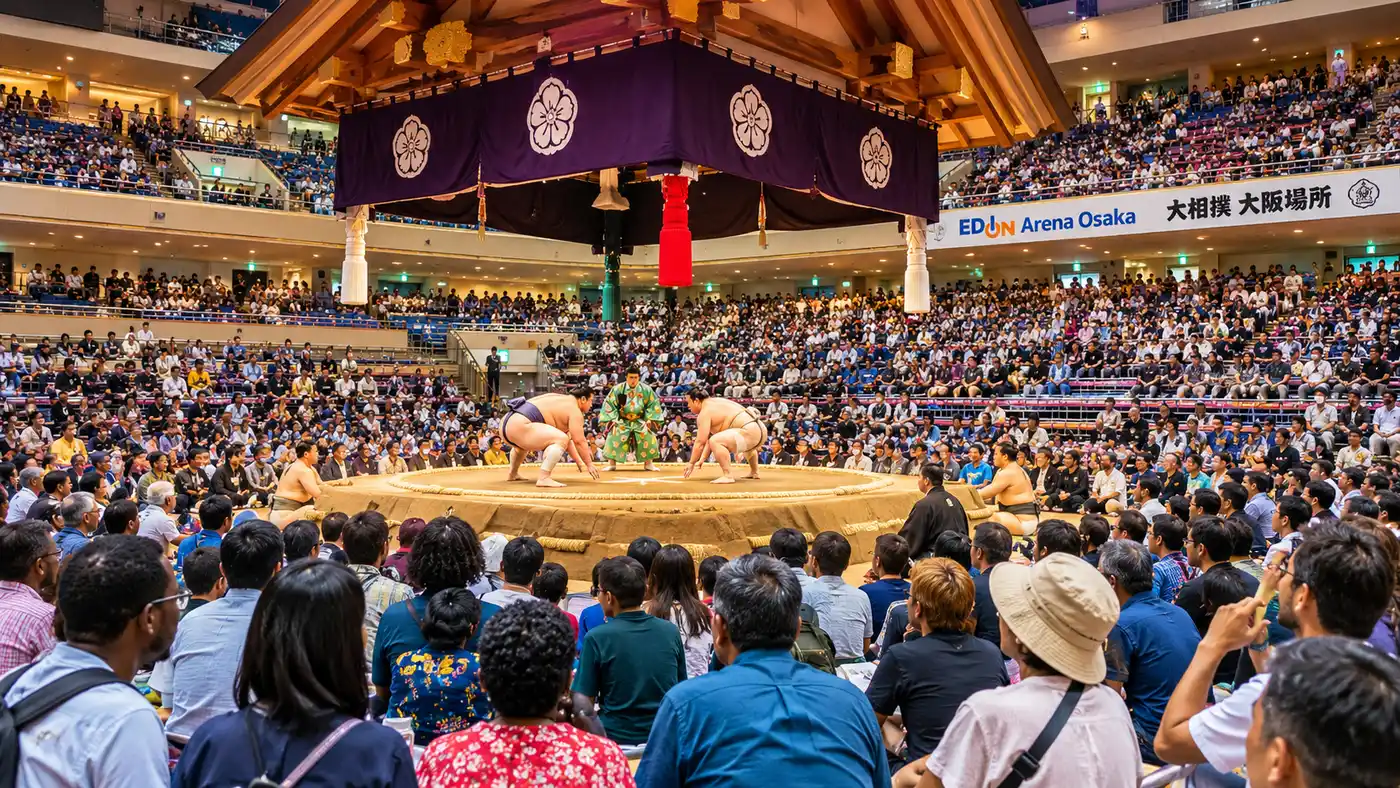
EDION Arena Osaka Sumo Venue Guide and Tips
The first time you turn the corner past the pachinko parlors south of Namba Station and see the massive colorful banner flags fluttering above the sidewalk, the energy hits you immediately. Attending the edion arena osaka sumo tournament in March brings an earthier, louder, and frankly sweatier vibe than Tokyo's polished Kokugikan. Locals shout unabashedly from the back rows, sipping tall cans of beer while the sweet aroma of toasted sesame and binzuke hair oil drifts down concrete stairwells. It feels less like a reverent ceremony and more like an electric neighborhood sports fixture.
Officially named the Osaka Prefectural Gymnasium, this municipal sports hall drops its normal basketball and judo identity for fifteen days every spring. It morphs into the buzzing heart of the Haru Basho, one of professional sumo's six annual tournaments. If you managed to secure a ticket, you are in for an unforgettable afternoon of combat sports. Navigating the hall takes some practical know-how, though, because the aisles are tight, legroom is practically nonexistent, and the mid-century layout can feel a bit disorienting once thousands of fans pack into the corridors.
Book your sumo wrestling osaka experience:
Getting to the Osaka Sumo Venue in Namba
Finding the arena is surprisingly straightforward once you navigate the underground maze of Namba. The hall sits tucked into a dense commercial grid about five minutes on foot from Namba Station. If you ride the Osaka Metro Midosuji Line, head for Exit 5. Pop up to street level, orient yourself away from the towering Swissotel, and wander south through the narrow alleys lined with ramen joints and retro gaming dens. You will know you are close when you spot wrestlers in casual yukata robes striding casually past vending machines, wooden geta sandals clacking loudly against the asphalt.
Locals still refer to this building as the Osaka gymnasium sumo hall or the sumo Osaka prefectural gymnasium, even though consumer electronics chain EDION bought naming rights over a decade ago. Cabs recognize both names instantly. Still, walking is almost always faster than sitting in Namba traffic. If you come from the JR Namba station or Kintetsu lines, add about eight extra minutes of underground walking through the shopping arcades before you breach the surface.
The exterior plaza buzzes from early morning onward. Steel barricades channel foot traffic, ticket collectors clip paper stubs under temporary canvas awnings, and curious onlookers line up along the sidewalk hoping to snap photos of elite wrestlers arriving in taxis. It feels chaotic at first glance, but the entry process moves fast. Give yourself at least 20 minutes outside just to soak up the scene and watch the wrestlers stroll in through the public entrance.
Inside the Arena: Layout, Seats, and Atmosphere
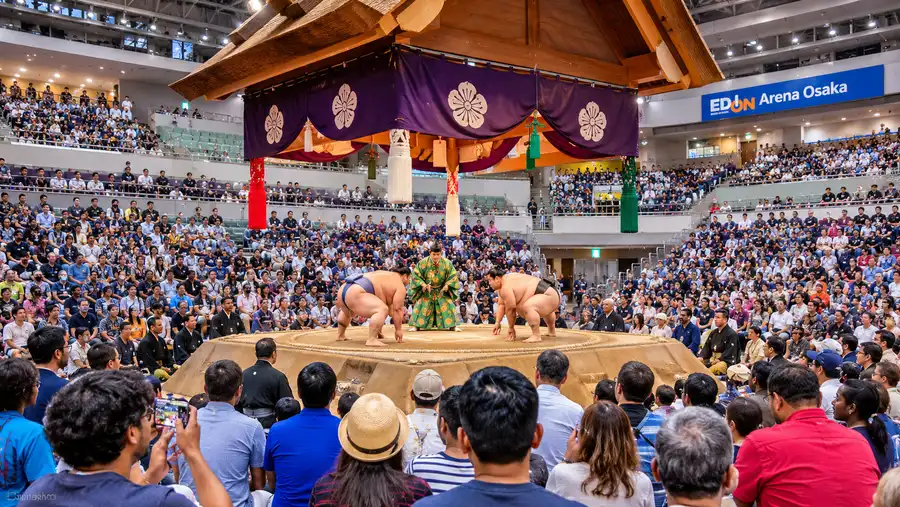
Step through the heavy doors and the scale shifts dramatically. Unlike Tokyo's massive stadium that seats over 11,000 spectators, this osaka sumo arena is far more intimate, squeezing in just around 5,500 people. That smaller footprint works entirely to your advantage. Even the furthest balcony seat feels remarkably close to the raised clay ring, letting you hear the skin-slapping impacts of the tachiai collision with startling clarity.
The arena divides strictly into two worlds: floor-level tatami boxes downstairs, and theater-style stadium chairs on the upper balcony. Downstairs consists of classic four-person massu boxes, which are essentially small squares marked off by metal pipes. You sit on thin cushions directly on the floor. If you have stiff knees or tight hips, four hours in a massu box can be an endurance trial of its own. Upstairs, the plastic arena seats offer back support and a steep vantage point where you look straight down into the dohyo. For a full breakdown of sightlines and pricing levels, take a look at our Osaka sumo seating chart guide before picking your spot.
Note: Box seats downstairs require you to slip off your shoes before stepping onto the tatami mats. Floor space is tiny, and there are no lockers nearby, so bring a plastic shopping bag to stash your dirty footwear right under your cushion.
Sound travels strangely in this building. Concrete walls bounce the deep referee chants straight up into the rafters. When an underdog topples an active Yokozuna, the entire building erupts into a physical roar that rattles your chest, accompanied by hundreds of green seat cushions sailing through the air toward the ring.
Food, Drinks, and Gear: Rules for the Sumo Osaka Stadium
Sumo wrestling is one of the rare professional sporting events where long-standing traditions embrace eating and drinking all afternoon. Inside this osaka sumo stadium, concession stalls line the back corridors selling cold draft beer, hot green tea, skewered yakitori, and commemorative bento boxes. The food lines stretch long between 3:00 PM and 4:00 PM when the crowd swells, so grabbing provisions early spares you from missing top-tier bouts.
You can bring outside refreshments into the venue without hassle, provided you keep things reasonable. Most attendees stop at a nearby convenience store or department store food hall before walking through the ticket gates. A plastic grocery sack carrying a couple of onigiri, some water, and a can of chu-hi will pass through security without an eyelid batting. Just pack out your trash when you head home, as bin space fills up fast by late afternoon.
Pro tip: Skip the stadium snack lines entirely and raid the basement food hall of Takashimaya department store at Namba Station around 1:00 PM for premium sushi packs, pork cutlet sandwiches, and cold beer at standard retail prices.
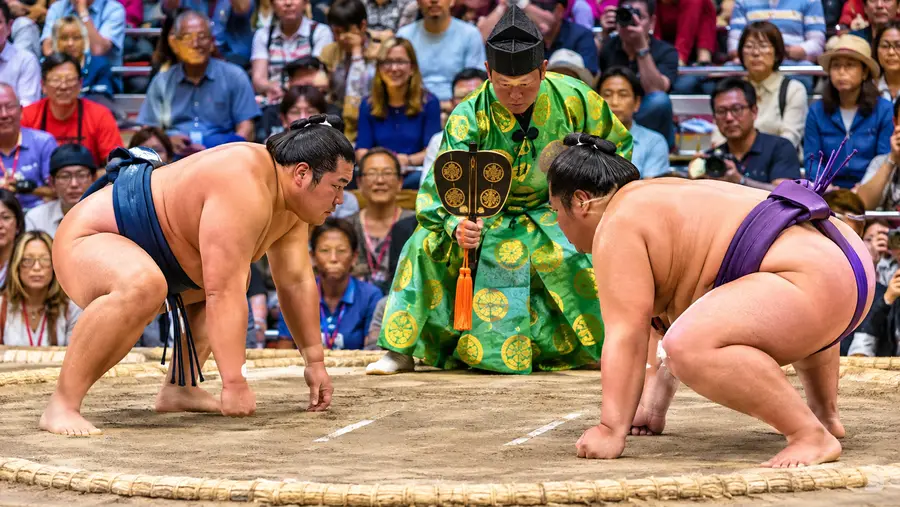
Many visitors ask: can you take a camera into sumo tournament osaka venues without a press pass? The short answer is yes. Spectators freely snap photos from their seats using everything from basic smartphones to chunky DSLR setups with 300mm telephoto lenses. However, you must stay seated while shooting. Tripods, monopods, and selfie sticks are strictly banned because they block aisles and obscure sightlines for the people behind you. If you sit in the front rows, keep your camera tucked close to your body in case a 330-pound athlete gets hurled off the clay straight into your lap.
- Bag policy: security checks bags visually at the turnstiles, looking primarily for glass bottles and dangerous items rather than outside food.
- Camera gear: lenses under 300mm work best; tripods and bulky stabilizer rigs will be turned away at the door.
- Alcohol rules: beer, canned highballs, and sake are widely permitted, but drunk and rowdy behavior gets you escorted out immediately.
- Trash management: bring your own small plastic bag for personal rubbish, as venue bins overflow quickly by 4:30 PM.
Book your sumo wrestling osaka experience:
Daily Bout Timings: Going to Grand Sumo Osaka
Going to grand sumo osaka means pacing your day properly. The doors swing open at 8:30 in the morning, yet very few ticket holders arrive before noon. If you show up early, the sumo tournament at osaka prefectural gymnasium feels almost ghostly. Apprentice wrestlers in the lowest ranks battle in an echoey, half-empty room with zero fanfare, no music, and barely 40 fans scattered around the arena. It is fascinating to watch for an hour if you appreciate the raw, unpolished side of the sport, but it requires patience.
The energy shifts dramatically around 2:00 PM. The Makushita division finishes their bouts, and the Juryo wrestlers - the first tier of salaried professionals - perform their ring-entering ceremony. By 3:30 PM, the seats fill to capacity, the beer starts flowing freely, and the premier Makuuchi division takes the stage. The ring announcers belt out names in high, vibrato tones, referees don their shimmering silk robes, and the crowd picks their favorites.
The premier bouts wrap up just before 6:00 PM with the rhythmic yumitori-shiki bow-twirling ceremony. Plan your day around when you want to peak. Arriving around 1:30 PM offers the ideal sweet spot: you beat the mid-afternoon entry rush, settle into your seats, browse the souvenir stands, and catch the momentum building from low-stakes clashes to championship deciders.
| Time Slot | Division Competing | Arena Capacity | Atmosphere & Noise Level |
|---|---|---|---|
| 8:30 AM - 1:00 PM | Jonokuchi, Jonidan, Sandanme | 5% to 15% | Quiet, intimate, echoey |
| 1:00 PM - 2:30 PM | Makushita & Juryo Entrance | 25% to 50% | Mellow, casual drinking starts |
| 2:30 PM - 3:45 PM | Juryo Bouts & Makuuchi Arrival | 60% to 85% | Lively, buzz builds outside |
| 3:45 PM - 6:00 PM | Makuuchi (Top Tier) to Final Bout | 100% capacity | Electric, loud shouting, packed aisles |
Leaving the building at 6:00 PM is a wild spectacle in itself. Thousands of people filter out through narrow corridors into the cool spring evening air. Street vendors hawk steaming takoyaki balls right outside the front doors, and groups of fans debate controversial referee calls while spilling toward Namba's izakayas.
Where to Base Yourself: Hotel Near Osaka Grand Sumo Tournament
If you want zero logistical friction, booking a hotel near osaka grand sumo tournament grounds makes life painless. Namba is packed with accommodation choices, from upscale international towers to tiny boutique hideaways. Walking five minutes home after six hours of sitting on a floor cushion feels like pure luxury.
Look at properties situated between Namba Station and Daikokucho Station. This narrow corridor places you within arm's reach of the sumo wrestling arena osaka while keeping you slightly removed from the tourist frenzy of Dotonbori. You get quieter nights, cheap laundromats, and dozens of late-night dining options where local chefs serve grilled pork skewers until 2:00 AM.
- Swissotel Nankai Osaka: sits right atop Namba Station, giving you a 6-minute walk to the arena and direct train access to Kansai Airport.
- Richmond Hotel Namba Daikokucho: located about 400 meters south of the venue, offering clean business rooms and great rates for March bookings.
- Hotel Ichiei: sits right off Exit 6 of Namba Station, featuring spacious Japanese-style tatami rooms that match the traditional vibe of your trip.
- Centara Grand Hotel Osaka: a modern luxury tower in Namba Parks with great skyline views, roughly an 8-minute stroll from the arena entrance.
Book your March lodging at least four months in advance. The sumo basho runs alongside early cherry blossom crowds, so room prices in Namba spike quickly as spring approaches. If budget spots near the venue sell out, expand your search toward Umeda or Tennoji, both of which connect to Namba in under 12 minutes via the Midosuji Subway line.
Frequently Asked Questions about edion arena osaka sumo
What time should I arrive at EDION Arena Osaka?
Most fans show up between 1:30 PM and 2:30 PM. This lets you catch the Juryo ring-entering ceremony and watch the premier Makuuchi division without spending seven straight hours in cramped seating.
Can I leave the arena and re-enter later?
Yes, same-day re-entry is permitted once per ticket. You must get your hand stamped at the designated exit gate before leaving and show both your ticket and the ink stamp when returning before 5:00 PM.
Is there a dress code for spectators?
There is no formal dress code for regular ticket holders. Casual, comfortable clothes are ideal, though you should wear shoes that slip on and off easily if you booked tatami box seats downstairs.
Are credit cards accepted inside the venue?
Major souvenir booths take credit cards and IC transport cards, but most food, beer, and snack stalls only take cash. Bring at least 5,000 to 10,000 yen in paper notes to avoid hunting down convenience store ATMs.
Quick Reference
- Location: 5-minute walk from Namba Station Exit 5
- Capacity: roughly 5,500 seats across floor and balcony
- Doors open: 8:30 AM daily during the 15-day March tournament
- Re-entry: allowed once per day before 5:00 PM
- Payment: cash preferred at snack stalls and drink stands
Book your sumo wrestling osaka experience:
Before You Go
A day at the Osaka basho is one of the most raw and memorable sports experiences in Japan. It lacks the stiff formality you find in some Tokyo sporting venues, trading it for the booming warmth, sharp humor, and culinary obsessions that make Osaka famous. Wear loose pants, pack a canvas tote bag for your souvenirs, arrive with an empty stomach, and get ready to yell alongside some of the most passionate sports fans in the world.
Read more about sumo wrestling osaka.