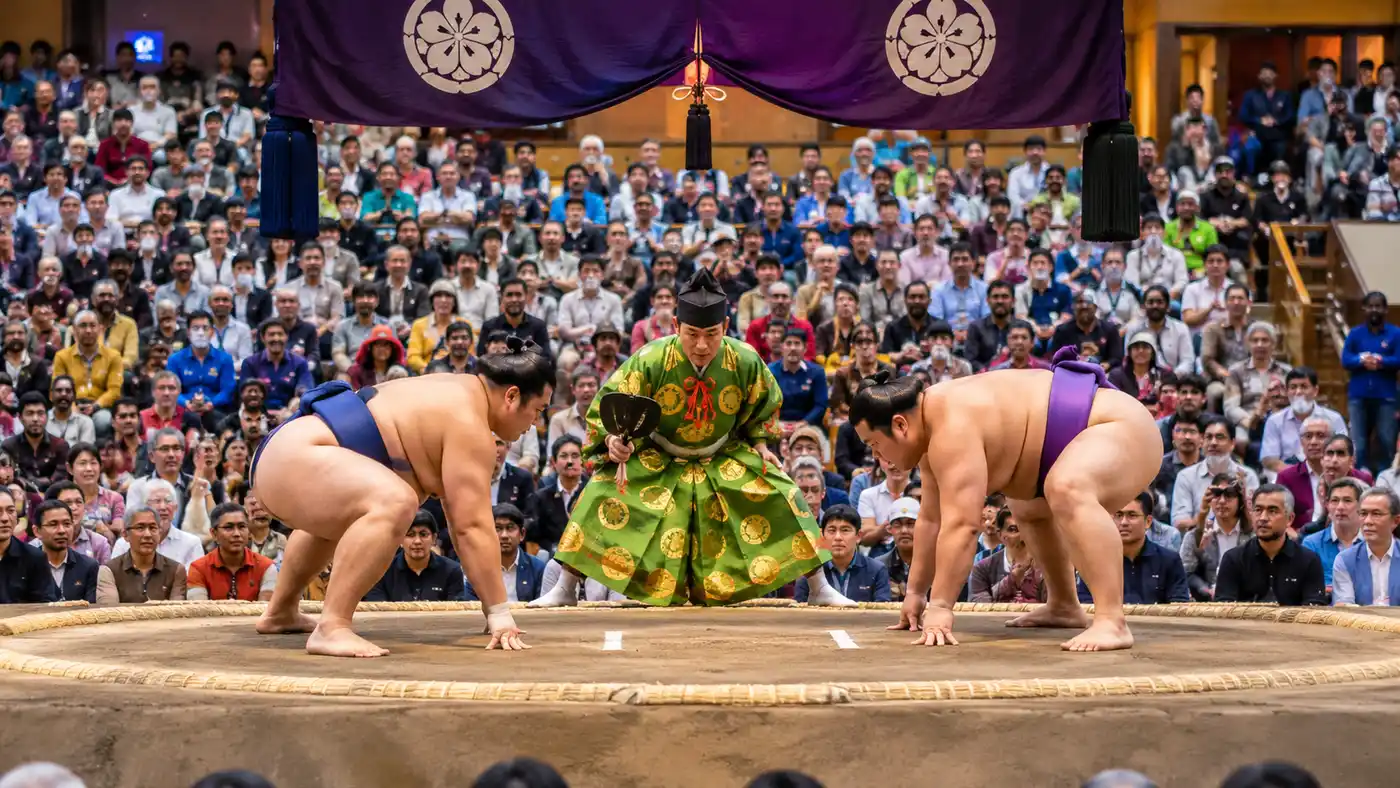
Haru Basho Results, Standings, and Live Stream Guide
March in Osaka smells like cherry blossoms, fried takoyaki from street carts near Namba station, and the pungent bintsuke hair wax drifting out from EDION Arena. If you are sitting on the tatami cushions in the arena or checking your phone from a subway in London at 6:00 AM, following the haru basho results can get dizzying fast. Sumo moves fast. A bout lasts four seconds, someone flies off the clay dohyo, and the entire tournament leaderboard gets turned upside down before you finish your canned coffee.
Every March, the Japan Sumo Association sets up camp in Osaka for fifteen consecutive days of elite competition. The spring tournament carries its own bizarre, turbulent energy. Veterans shake off winter cobwebs, fresh juryo promotions try to prove they belong, and the Osaka crowd heckles much louder than the polite Tokyo audiences at the Kokugikan. This guide walks you through reading the daily leaderboards, tracking down reliable live streams without pulling your hair out, understanding how banzuke ranks shift, and making sense of the madness on the clay.
Book your sumo wrestling osaka experience:
Understanding Haru Basho Standings and the Banzuke
The leaderboard looks simple on paper. A wrestler wins, he gets a white circle called a shiroboshi. He hits the dirt or steps over the straw rope, he takes a black circle called a kuroboshi. Fifteen days, fifteen bouts for the sekitori in the top two divisions. Eight wins secures kachi-koshi, guaranteeing that a rikishi will rise or hold his rank on the upcoming banzuke ranking sheet. Seven wins or fewer means make-koshi, sending him sliding down the ladder. But haru basho standings always carry an extra layer of tension because Osaka has a weird reputation for wild upsets, sudden withdrawals, and chaotic title races.
The banzuke itself is a giant calligraphy scroll produced before each grand sumo tournament, listing every wrestler from the grand champion Yokozuna down to the teenagers in Jonokuchi. East ranks slightly higher than West. If you want to follow the haru basho banzuke intelligently, you have to watch the sanyaku, the upper ranks below Yokozuna that hold the Ozeki, Sekiwake, and Komusubi. When an Ozeki enters Osaka with a losing record from January, he is kadoban, fighting with his back against the wall to avoid demotion. Watching someone pull off their eighth win on Day 14 to save their rank is just as electrifying as the championship bout itself.
Tracking the haru basho 2026 standings means keeping your eyes on the young talent surging through Maegashira. The middle ranks are where the real drama brews. A wrestler ranked at Maegashira 12 might face an easy opening week against lower-tier fighters, build up an 8-0 record, and suddenly get thrust into the meat grinder against Ozeki and Sekiwake on Day 10. When that happens, the standings swing violently. If you want to dive deeper into the physical layout of where these battles happen, take a look at our EDION Arena Osaka sumo guide.
Note: A wrestler who pulls out due to injury mid-tournament receives default losses (fusenpai) for remaining days, which can drag an injured star straight into demotion territory unless he returns to scrap for eighth wins.
Where to Catch the Haru Basho Live Stream and Daily Scores
Getting a legitimate haru basho live stream used to feel like tracking down bootleg VHS tapes. Things are better now, though the licensing remains splintered depending on where you live. For international fans wanting English commentary, the standard choice is NHK World-Japan. Their daily Grand Sumo Highlights program runs about 28 minutes, airing four times every evening and overnight with Murray Johnson, Raja Pradhan, or Hiro Morita breaking down the top division bouts. It is polished, free, and works on almost any phone or browser.
If you want pure, raw, unedited sumo haru basho live action, Japanese streaming platforms are the real ticket. Abema TV streams the entire tournament live from the early morning Jonokuchi bouts all the way through the final bow-twirling ceremony. The stream is free within Japan, featuring split camera angles, real-time viewer comments, and sharp high-definition feeds. If you are watching outside Japan, you will need a reliable VPN pointed to a Tokyo or Osaka server to bypass the geo-block. The JSA also runs its own official app, Nihon Sumo Kyokai Official App, which lets you watch one free bout per day or pay around $4 a month for unlimited live streaming and historic archives.
| Platform | Cost | Language | Coverage Scope | Geo-Restricted |
|---|---|---|---|---|
| NHK World Highlights | Free | English | Makuuchi top division recap (28 mins) | No |
| Abema TV | Free / Premium $7 | Japanese | All divisions live (Jonokuchi to Makuuchi) | Yes (Japan only) |
| JSA Official App | Free tier / $4 monthly | Japanese & English | Live bouts, torikumi, video archives | No |
| TV Japan / NHK Cosme | $25 monthly subscription | Japanese | Full afternoon live broadcast | Yes (US/Canada cable) |
For live scoring, do not wait for western news outlets. They publish results hours after the tournament closes for the day. If you want instantaneous haru basho live scores, check the Nihon Sumo Kyokai official site or dedicated fan feeds on Twitter and Reddit. The JSA website posts win-loss records and winning techniques (kimarite) within 90 seconds of a gyoji pointing his war fan at the victor. Learning the names of a few common kimarite, like yorikiri (force out) or oshidashi (push out), makes reading the Japanese match sheets twenty times easier.
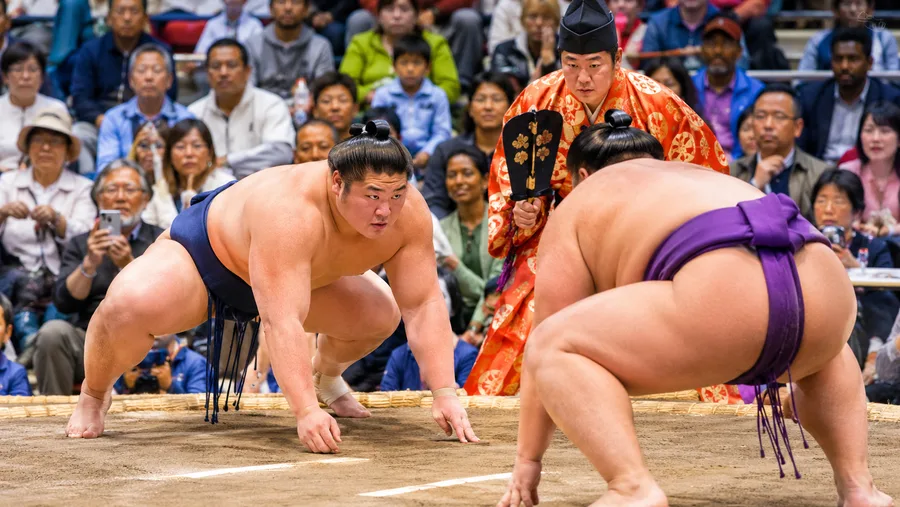
Tracking Osaka Sumo Tournament Results and Scoring Rhythms
The daily rhythm of the tournament dictates when you should tune in. Edion Arena opens its doors around 8:30 in the morning, but the hall stays practically empty for hours. Only die-hard fans and scouting coaches watch the teenagers in the lower ranks slap clay. The broadcast tension ramps up around 2:15 PM when the second-tier Juryo division enters the dohyo. By 3:45 PM, the top-tier Makuuchi wrestlers make their ceremonial ring-entering procession (dohyo-iri), dressed in silk aprons that cost thousands of dollars.
- Morning sessions (8:45 AM - 2:00 PM JST): Lower divisions fight quickly with no salt throwing, minimal ritual posturing, and almost empty stands.
- Juryo division (2:15 PM - 3:40 PM JST): Professional salaried wrestlers battle fiercely; broadcast feeds go live across Japan.
- Makuuchi division (4:00 PM - 5:55 PM JST): The main event, featuring extended stare-downs, salt throwing, and the highest stakes.
- Yumitori-shiki (5:58 PM JST): The daily bow-twirling ritual performed by a lower-ranked wrestler to close the arena.
When tracking sumo haru basho results across different time zones, the math gets messy. Osaka sits at UTC+9. For viewers on the East Coast of the United States, Makuuchi bouts start around 3:00 AM, making live viewing an exercise in sleep deprivation. European viewers catch the final bouts between 7:00 AM and 9:00 AM, which pairs nicely with morning tea. If you plan to head to Japan to catch the action in person next spring, keep an eye on our detailed breakdown of the Osaka sumo tournament schedule so you can time your ticket purchases right down to the wire.
Pro tip: If you miss the live stream and hate spoilers, avoid Reddit and X entirely until you watch the NHK World-Japan replay, which uploads to their on-demand portal about 45 minutes after the live broadcast ends.
Book your sumo wrestling osaka experience:
Senshuraku Drama: Final Day Matchups and Odd Matchmaking Rules
The final day of any grand sumo basho is called Senshuraku, and in Osaka, it is pure spectacle. By Day 14, the tournament organizers (the Torikumi 편성 committee) sit in a closed room late into the afternoon, arguing over who should fight whom on the final Sunday. Sumo does not use a fixed tournament bracket. Matchups are built dynamically as the tournament unfolds. Leaders fight leaders. Struggling wrestlers sitting at 7-7 are matched against each other in brutal do-or-die bouts where the loser takes a pay cut or drops down a division.
You sometimes see odd searches online like "sumo osaka who will ichinojo fight on last day." It is a funny reminder of how internet queries linger long after reality changes. Ichinojo, the massive Mongolian gentle giant who stood over 6-foot-4 and weighed roughly 500 pounds, won the Emperor's Cup in 2022 before suddenly retiring in mid-2023 due to chronic back problems. People still search for his name every March because his titanic, boulder-like style made him a legend in Osaka. On Senshuraku, the Torikumi committee used to match him against Ozeki or Yokozuna to test their resolve. Today, those epic Day 15 showdowns belong to names like Kotozakura, Hoshoryu, and young speedsters like Onosato.
Senshuraku rules are unique:
- The musubi no ichiban: The final bout of the tournament, traditionally featuring the highest-ranked active rikishi, often deciding the Emperor's Cup.
- Kettei-sen playoffs: If two or more wrestlers tie for the best record after 15 bouts, they fight immediate sudden-death playoff matches on the clay.
- Special prizes (sansho): Cash awards for Outstanding Performance (shukun-sho), Technique (gino-sho), and Fighting Spirit (kanto-sho), handed out only to wrestlers who finish with a winning 8-7 record or better.
- Trophy parade: The winner receives the gigantic Emperor's Cup, followed by ridiculous regional prizes like a year's supply of Miyazaki beef, Czech beer, and giant macaroons.
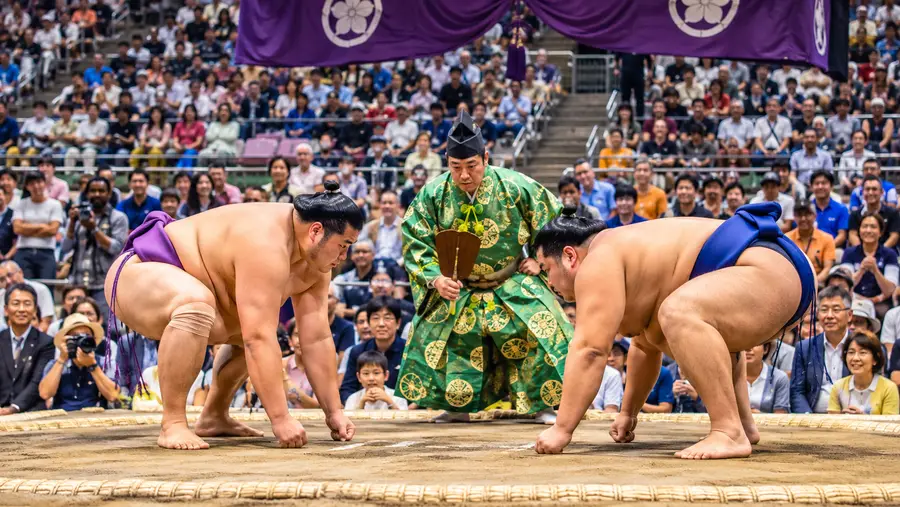
Deciphering Haru Basho 2026 Results and Division Upsets
Looking ahead to future tournaments like the haru basho 2026 results, understanding how parity works in modern grand sumo (haru basho oosumo) is everything. The sport has entered an era without a single dominant Yokozuna suffocating the competition for years on end. That makes the osaka sumo tournament results radically unpredictable. In the past five years, March has crowned surprise winners from low Maegashira ranks, seen massive Ozeki demotions, and witnessed rookies walking away with the cup.
A key element to watch during the fifteen days is the kinboshi race. A kinboshi, or "gold star," is awarded to a maegashira-ranked wrestler who defeats a reigning Yokozuna. It is not just bragging rights. Each kinboshi adds a permanent pay bump to the wrestler's paycheck for the rest of his active career. When a young maegashira topples a Yokozuna at EDION Arena, the Osaka crowd screams, cushions fly through the air (even though throwing them is strictly forbidden), and the daily standings change instantly. If you are tracking osaka sumo results day by day, note how many kinboshi fall in the first week. When champions drop bouts early, the middle-tier rikishi smell blood, and the entire tournament becomes a free-for-all.
Pay attention to the Juryo division standings as well. While casual fans ignore the second division, hardcore sumo watchers know it is where the fiercest fights happen. The line between salaried Juryo wrestlers (who get personal attendants, stylish clothes, and monthly salaries) and unsalaried Makushita wrestlers (who clean the stables and cook chanko nabe) is razor thin. The battles on Day 14 and 15 between guys trying to hold their salary are desperate, gritty, and often more emotional than the top-division title bouts.
Frequently Asked Questions about haru basho results
What time are the top division haru basho results decided each day?
The Makuuchi bouts run from roughly 4:00 PM to 6:00 PM Japan Standard Time. The final bout of the day concludes just before 6:00 PM, after which the official standings for that day are completely finalized.
Where can I view official sumo haru basho results in English?
The official Japan Sumo Association website (sumo.or.jp) maintains an English portal with updated bout results, daily match sheets, and standing tables posted within minutes of the bouts ending. NHK World-Japan also posts daily summaries.
What happens if two wrestlers finish the Haru Basho with the same record?
Sumo does not use point differentials or head-to-head tiebreakers. If two or more rikishi tie for the best record at the end of Day 15, they enter a sudden-death playoff (kettei-sen) immediately following the regular bouts to decide the tournament champion.
Can I watch the Haru Basho live stream for free outside Japan?
Yes, NHK World-Japan provides free daily English highlight programs on their website and mobile app. For complete live coverage of every single bout from the lower divisions up, you can stream Abema TV using a Japanese VPN connection.
Quick Reference
- Location: EDION Arena Osaka (Osaka Prefectural Gymnasium)
- Tournament Length: 15 consecutive days, second to fourth Sunday of March
- Daily Top Division Matches: 4:00 PM to 6:00 PM JST
- Winning Record Threshold: 8 wins (kachi-koshi) out of 15 bouts
- Playoff Format: Sudden-death single elimination on Day 15
Book your sumo wrestling osaka experience:
My Take
Sumo can feel intimidating from the outside with all its ancient shinto rituals, obscure referee gestures, and rigid terminology. Once you start tracking the daily scores, though, it hooks you like the best serialized drama on television. You pick an underdog, you groan when he slips on the edge of the ring, and you cheer when he throws an Ozeki twice his size across the clay. Keep your streaming tabs bookmarked, check the win-loss records every morning over breakfast, and give yourself over to the March madness in Osaka. You will not regret following along.
Read more about sumo wrestling osaka.